How Long Do Professionally Painted Kitchen Cabinets Last in Lititz, PA?
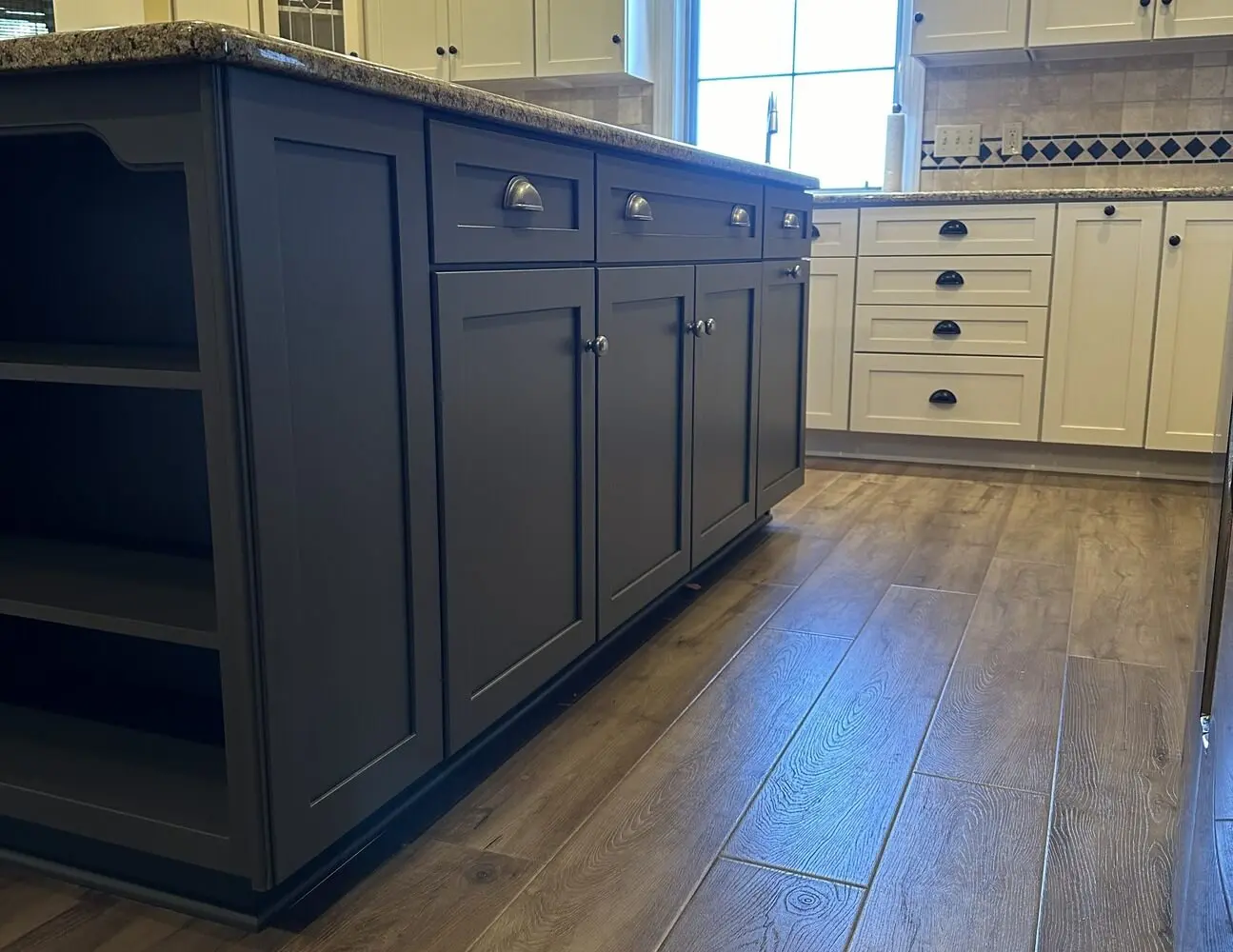
You’ve probably seen it happen to someone else’s kitchen. Cabinets get painted, look great for a year or two, and then the edges start to chip. The finish around the handles goes dull. Within a few years, it looks like the project was never done at all. If you’re considering professional cabinet painting for your own kitchen, that image is hard to shake, and it makes sense to want a straight answer before you commit any time or money.
Here’s the good news: how long professionally painted kitchen cabinets last isn’t a matter of luck. It comes down to a specific set of factors that you can actually evaluate before you hire anyone. Once you understand what separates a finish that fails in three years from one that still looks new after fifteen, you’ll know exactly what to look for and what questions to ask.
How Long Do Professionally Painted Kitchen Cabinets Actually Last?
Professionally painted kitchen cabinets typically last well over a decade when the project is done with proper preparation and a professional-grade coating system. Standard latex or enamel jobs, by comparison, can start showing chips and wear within just a few years.
That’s a wide range for what looks like the same service on paper. The reason is simple: the finished color coat is only the visible part of the project. What happens underneath it, during preparation and application, is what actually determines whether that color coat holds up.
It’s worth clearing up a common assumption here too. A longer lifespan isn’t just a matter of paying more for premium paint. Durability comes from the whole system working together:
- Preparation quality
- Coating type
- Application method
Skip or shortcut any one of those, and the other two won’t save the project. The rest of this guide walks through each one, along with the local climate and daily use factors that decide where your own cabinets will land in that range.
Why Surface Preparation Determines How Long the Finish Holds Up
Improper or skipped surface preparation is the single most common reason a professionally painted cabinet finish fails early, regardless of how good the paint itself is.
Here’s why: cabinet surfaces accumulate an invisible film of grease and cooking oil over years of everyday use. If that film isn’t fully removed before painting begins, the coating never actually bonds to the surface underneath it. The result is a finish that chips and peels from the inside out rather than wearing down gradually from the outside.
Proper preparation is a multi-step process, and every step matters:
- Degreasing to strip away oils and residue the paint would otherwise bond to
- Sanding to create a surface texture the coating can actually grip
- Priming with a bonding primer suited to the cabinet material
Skip or rush any one of these steps and the finish is compromised before the first coat of paint ever goes on. That’s part of why prep quality is so hard for a homeowner to judge just by looking at a finished project. A rushed prep job can look flawless on day one. The failure from poor adhesion doesn’t show up until months or years later, when it’s too late to do anything but repaint.
A cabinet with excellent prep and an average coating will consistently outlast a cabinet with poor prep and a premium one. That’s how much this step matters.
Why Coating Type Decides Whether Your Cabinets Last 3 Years or 15
The type of coating used is the single biggest factor separating a finish that lasts a few years from one that lasts over a decade.
Standard latex or enamel paints dry through evaporation. Water or solvents leave the paint and what remains behind hardens into a film, but that film stays relatively soft, which is exactly why it chips at edges and corners under repeated contact. Professional-grade systems like 2K urethane work differently. They cure through a chemical reaction that creates a hard, cross-linked finish bonded at a molecular level, not just a layer sitting on top of the wood.
That difference is also what gives you flexibility on sheen. 2K urethane systems support a wide custom range, from soft low-sheen finishes up through semi-gloss, gloss, and high-gloss options. Sheen is a design choice you make based on the look you want. It doesn’t affect how long the coating itself lasts.
One thing worth knowing before you compare quotes: not everything sold as “cabinet paint” is actually engineered for cabinet-level wear. Some products marketed for trim or general interior use aren’t built to withstand the constant contact a cabinet door takes every day. If you want to see how this plays out in a real professional cabinet painting process, the coating system used is one of the first things worth asking about.
This is genuinely the difference between repainting again in a few years and cabinets that still look new a decade from now.
Why Application Method Matters as Much as the Coating Itself
How a coating is applied has just as much impact on final durability as which coating gets chosen in the first place.
A controlled shop environment allows doors and drawer fronts to be sprayed under consistent, dust-free conditions. That produces an even, smooth coat with no brush marks and no uneven buildup. Those surface irregularities aren’t just cosmetic. They create weak points where a finish is more likely to crack or wear unevenly over time. Cabinet frames, which stay attached to the wall, are sprayed on-site using that same professional technique.
You might wonder why everything isn’t just painted in place. The answer is that removing doors and drawer fronts to a controlled shop setting is exactly what makes the smoother, more durable spray finish possible. If you’re curious what that actually looks like step by step, how the cabinet painting process works from start to finish walks through it in detail.
A professionally sprayed finish resists the early chipping and uneven wear that brush-and-roller application is prone to, especially at edges and corners where hands and hardware make the most contact.
Why Lancaster County’s Climate Puts Extra Stress on Painted Cabinets
Lancaster County’s seasonal humidity and temperature swings place additional stress on cabinet finishes year-round, which makes coating quality and application method even more important here than in a more climate-stable region.
Humid summers and drier winters cause wood and cabinet materials to expand and contract slightly with the seasons. A finish that isn’t fully cured or properly bonded is more likely to develop stress cracks or lose adhesion under that repeated movement. A finish that’s been properly prepped and professionally cured is built to flex with it instead of against it.
This isn’t a concern reserved for older homes or a particular type of construction. Every home in this region goes through the same seasonal shifts, which means climate resilience should be a standard part of the conversation for any cabinet painting project here, not a special case.
Homes in Lititz and throughout the surrounding area experience these swings every single year. A cabinet finish here needs to be built for ongoing seasonal stress on top of everyday kitchen wear. It’s part of why the same coating and prep quality can perform noticeably differently depending on the climate it has to live in, and why working with a painter who has real experience in this specific region matters more than it might seem at first.
Why Some Cabinets Show Wear Before Others
Even with identical coating and identical prep, certain areas of a kitchen will always show wear before others, simply because they take more physical contact and exposure than the rest of the cabinetry.
The zones that typically wear first include:
- Around handles and pulls, where hands make contact constantly
- Drawer fronts that get grabbed and released throughout the day
- Cabinets near the sink, exposed to moisture and splashing
- Cabinets near the stove, exposed to heat and grease
If you notice wear showing up in one of these areas first, that doesn’t mean the whole paint job is failing. It’s a normal, predictable pattern tied to how the kitchen is actually used day to day. Knowing which zones wear first ahead of time helps you recognize ordinary aging instead of mistaking it for a coating or prep problem.
Why Maintenance Habits Extend, or Shorten, the Life of the Finish
Simple daily habits can meaningfully extend how long a professionally painted finish looks and performs its best, while the wrong habits can shorten that same lifespan.
Gentle, non-abrasive cleaning protects the surface of the coating. Harsh scrubbing pads and abrasive cleaners create micro-scratches that dull the finish over time and give grease and grime somewhere to collect. A few habits go a long way:
- Wipe up spills and moisture promptly, especially around the sink and dishwasher
- Avoid letting damp cloths or towels sit against cabinet surfaces for extended periods
- Stick to mild soap and water rather than harsh chemical cleaners
You might wonder if needing these habits at all means the coating isn’t durable on its own. It doesn’t. These are simple, low-effort habits that protect an already durable finish. They aren’t corrective measures for a weak one. A professionally painted finish maintained this way will consistently outperform an identical finish that isn’t, especially in the high-contact zones covered above.
The Difference Between a 3-Year Repaint and a 15-Year Finish
Lifespan isn’t determined by chance. It comes down to preparation quality, coating type, application method, and how the finish is cared for against Lancaster County’s climate and everyday kitchen use.
Understanding these factors means you can walk into any conversation about cabinet painting with a clear sense of what actually determines whether the results last. It also means you can evaluate any quote or process you’re considering against a real standard instead of guessing.
If you’re weighing your options and want to know specifically how these factors would apply to your own cabinets, a professional assessment is a low-pressure way to get that clarity before you decide anything.
We’d love to talk through what your kitchen actually needs. Reach out to schedule a consultation, and we’ll walk you through coating options and durability specific to your cabinets, with no pressure to commit to anything on the spot.